
Contact Centers Are Having Their Best Year on Paper According to Finance Teams. But the People on the Phone Tell a Different Story.
Deflection and containment still dominate CX scorecards. New data from Cresta explains why that's becoming a liability.

Make CX Current News one of your go-to sources on Google


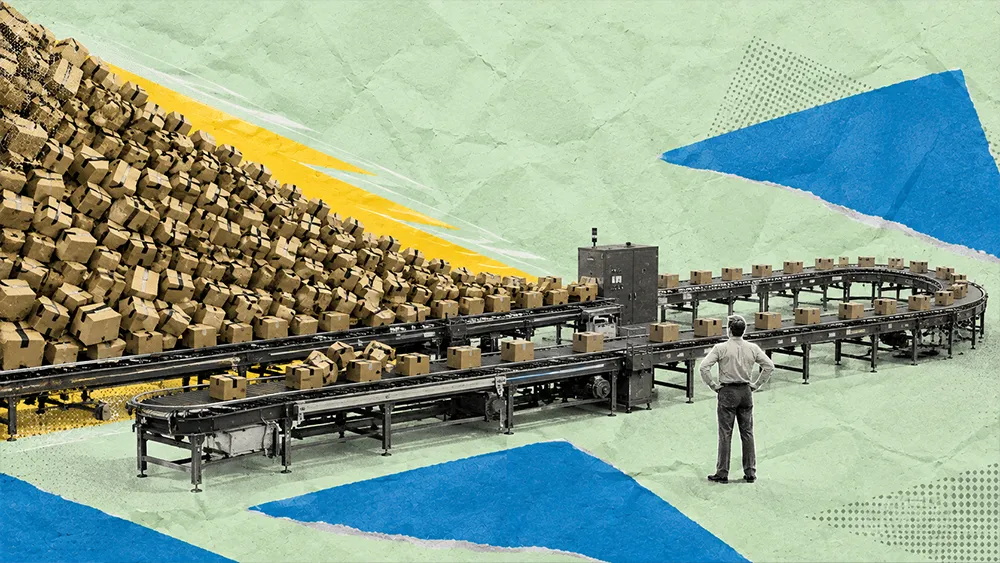
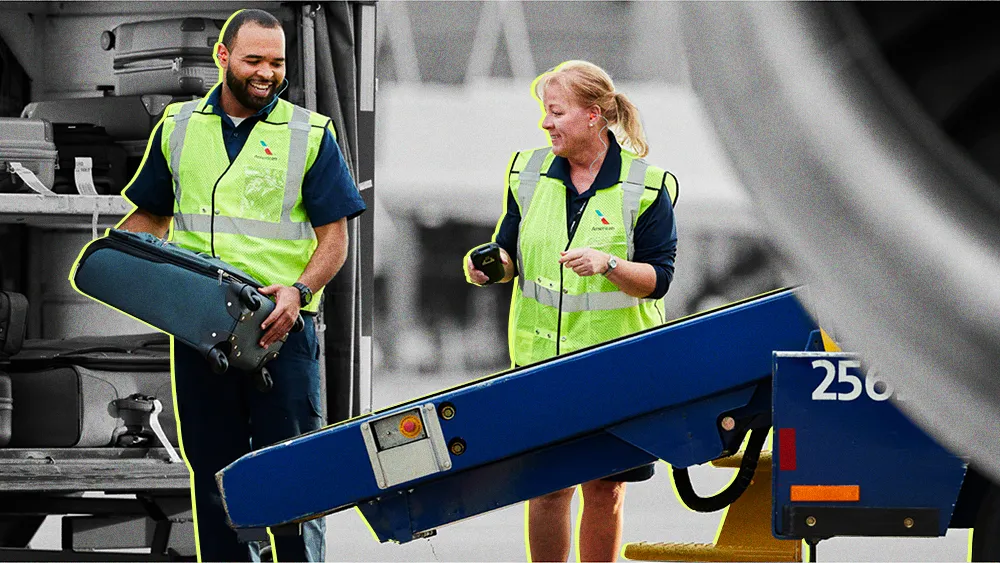
By every efficiency metric that matters to a company's board, contact centers are having their best year yet. But by every measure that matters to the person holding the phone, the job is only getting harder. As AI swallows the password resets and balance checks and order-status pings, the human queue concentrates into edge cases, recovery conversations, and frustrated customers who already tried—and failed—to fix the problem themselves.
More than nine in ten leaders in Cresta's survey of 300 CX, support, and operations leaders say human-handled calls are getting more complex as automation absorbs the routine volume. And yet most teams still grade themselves on deflection and containment, metrics that mask the damage on both ends of the line: customers who can't get through and agents who can't keep up.
The Watermelon Effect
That gap between what the dashboard celebrates and what the customer experiences has a name, and it comes from Tarah Nelson, Head of CX at Rosabella. "We call it the watermelon effect," she says. "Your dashboards are all green on the surface, but underneath, your customers are just angry. They're all red-faced." The mechanism is simple, but rarely acknowledged out loud. "If you deflect all the easy conversations to AI, your agents end up dealing with frustrated customers all day long. That leads to burnout, higher attrition, and ultimately more cost than the automation was supposed to save."
The savings are real and easy to count. The cost is greater and easy to ignore, right up until it isn't. "Sure, I may be saving $80,000 in payroll costs, but what about the $1.2 million that I'm going to lose because we've churned those customers?" says Nelson.
Less Volume, More Weight
The trouble starts with treating a falling call volume as proof of a job well done. Mukta Dhanuka, a product leader and board member whose career runs through SAP, Square, and Meta, cautions against accepting metrics at face value. "If your support issues have gone down drastically over a few months or even a year, especially in a single category, that alone shouldn't be celebrated without understanding why. You've potentially just created a wall for people to reach you." A drop in contacts can mean you solved the problem or it can mean people quit trying, and a deflection rate cannot tell the two apart. "When leadership sets targets to reduce cost of operations by 80 or 90 percent without having fixed the underlying product or service issues, they're just shoving them under the rug. It will show up in a different way."
Where does it show up, exactly? Often in the queue of whoever is left holding the phone. This is the part of the AI story the efficiency narrative undersells, because it complicates the clean line from automation to savings. Cassie Kozyrkov, the former Chief Decision Scientist at Google who now runs Kozyr, proposes a shift in perspective. "When we use metrics like 'containment' and 'deflection,' it's the wrong way to think. It's like treating your precious customers like a zombie virus that needs to be quarantined." Her prediction about what happens to the work itself reads like a warning to anyone budgeting agent capacity off last year's averages. "I expect that call time for human agents will go up. Because humans are the only ones who can take responsibility, the gnarly, difficult situations that require a lot of human judgment will ultimately end up flowing to them. The hard functions are for the humans."
Stopping the Stopwatch
It's why the venerable stopwatch metric is becoming a liability. If the easy three-minute calls now resolve themselves and the agent only sees the gnarly cases, then a rising handle time is a sign the routing is working, not a sign the floor is slowing down. Alain Mowad, VP of Product and Customer Marketing at Aspect Software, says the number has aged out of usefulness. "Average handle time as it stands today is just not a good metric anymore. As the more complex interactions reach agents now, they need more time to get the issue resolved, and the customer expects that." Mowad's larger discipline is to stop confusing motion with savings, a question every leader citing consumption-based AI costs should be able to answer cold. "You have to ask: am I saving costs, or am I just moving costs?" Shipra, a Lead Engineer in DevOps at United Airlines, frames the same test from the operations side. "Automation lowers cost when it reduces cognitive load and increases signal clarity. If it simply shifts review effort from alerts to AI outputs, then we haven't reduced risk. We've redistributed it."
The leaders who seem least anxious about all this are the ones who never let efficiency sit at the top of the scorecard in the first place. Wes Griffith, Senior Director of Global Consumer Support Experience at Coinbase, is unsentimental about where cost belongs in the hierarchy. "Cost and efficiency are simply guardrail metrics for us. They are important, but they are not the point. CSAT is our number one metric, and it is the primary way that we evaluate the health of our business and the experience that we're delivering." That stance produces decisions an efficiency-first team would never make, like deliberately walking back automation that worked on paper. "An automated experience can tell a customer that they've made an irreversible error, but it cannot meet them in that moment of empathy. We've actually pulled some of those use cases from production, and they now create an immediate express path to a human." Does it cost more? Yes. Is it the right call? Definitely.
Finessing the Handoff
Deflection had its moment. The conversation now is about routing, handoffs, and whether the person picking up the phone can actually help. Cresta's survey hints at the structural reality underneath the argument: Only 9% of conversations are now fully handled by AI with no human in the loop, three-quarters run as a human-AI duo, and the rest stay fully human. The job, in other words, is overwhelmingly about the handoff, the moment one decides it's out of its depth and the other takes over.
Patrice Chance, Manager of Member and Provider Operations at Ascension, describes that line with a precision most KPIs lack. "If a member is calling to find out how much they have met towards their deductible, AI should be able to handle that and provide the exact balance. But the moment a member states they thought they already met their deductible, that is when AI needs to stop and hand it over to a customer service representative because now they have to dig a little deeper." Pranay Kasat, who leads the customer support technology function at Intuit Credit Karma, draws the same line harder where the stakes are highest. "High-urgency issues, especially in fintech, require a more direct human handoff. For a dispute, a debit card problem, or fraud, you need to bypass the chatbot and provide an immediate, urgent connection to a person."
Hard Work and Headcount
Harder work demands different people, and that changes hiring before it ever changes headcount. Mitch Mann, VP of Member Services at VytlOne, won't even use the industry's favorite term. "I don't like using the word 'deflection', it denotes that the interaction isn't important. It's about serving the member on their terms, in the manner they choose, and giving them the easiest options." With the routine gone, he's recruiting for the skill that automation can't fake. "We'll have to reimagine our hiring practices. Emotional intelligence becomes critical in order to problem-solve and empathize as decision-making increases with more complex calls." That, more than any deflection target, is what the next year of staffing decisions should be built around, and the headcount math backs it up. Job reduction averaged only about 4.2% over the past year, and nearly half of these organizations expect their staffing to grow, not shrink, in the next one. Anyone still planning automation as a headcount story is working off outdated math.
Stop reporting how many humans you took out of the loop, because that number flatters you while the watermelon ripens. Start reporting whether the hard conversations actually land, because those are the only ones left that matter. A dashboard that can't tell you the difference between a solved problem and a customer who gave up is not measuring success. It's just keeping you comfortable while the customers you can't see decide to leave.