
Southwest Airlines Sunsets Open Seating After 55 Years In Alignment With Competitors
Southwest Airlines ends its 55-year-old open seating policy, replacing it with an assigned-seating system to generate new revenue.
Make CX Current News one of your go-to sources on Google


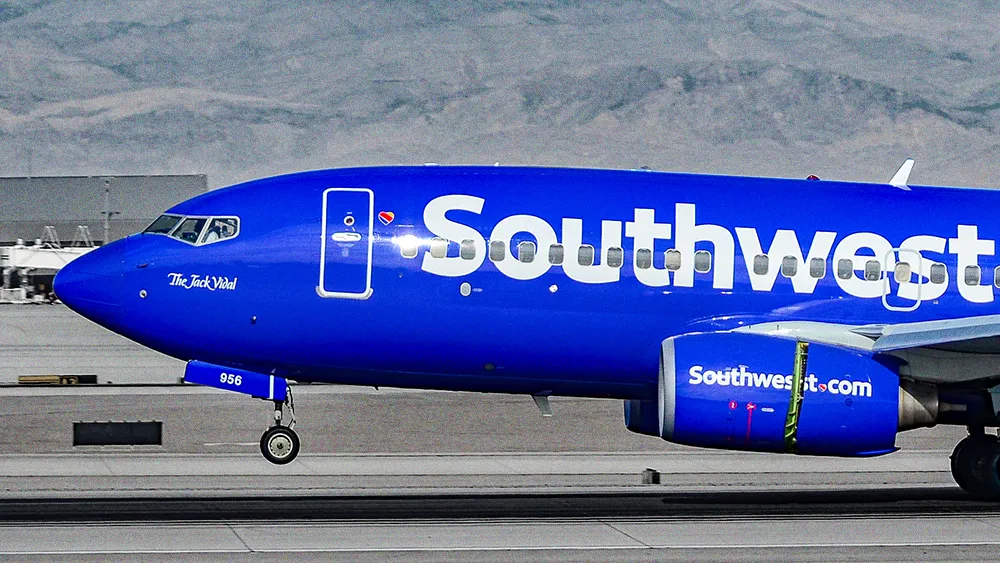
After more than half a century, Southwest Airlines has officially ended its infamous open seating policy, a major part of a business model overhaul designed to generate new revenue by aligning the carrier with its competitors, a change first captured on the final flight by CNBC. The new assigned-seating system took effect on January 27.
Pivoting to profit: The end of the seat scramble is just one piece of a larger strategic pivot. In the past year, Southwest has dismantled its legacy customer-friendly policies by introducing bag fees and a basic economy fare. The company now forecasts a more than 300% surge in adjusted earnings per share for 2026 after reporting record fourth-quarter revenue.
Pay for your place: Under the updated system, a Basic fare gets you an assigned seat at check-in, while pricier tiers offer seat selection at booking. The airline is also upselling "Extra Legroom" seats, which add up to five inches of space in the cabin's front and exit rows.
Don't call it a copy: Despite adopting a model it long resisted, Southwest executives insist the change is not about imitation. "This has nothing to do with copying anybody," CEO Bob Jordan said on the company’s Q4 2025 earnings call, "[it] has to do with offering our customers what they want."
Executives insist the airline’s hospitality will keep it from being just another carrier, but after dismantling its most iconic policies, Southwest now looks more like the competitors it once defied. The move comes as rivals like American Airlines are doubling down on premium flyers. While the changes are significant, Southwest's brand has proven resilient before, with its Net Promoter Score bouncing back after previous controversial policy shifts. The transformation also includes a push for global reach through six new strategic airline partnerships.