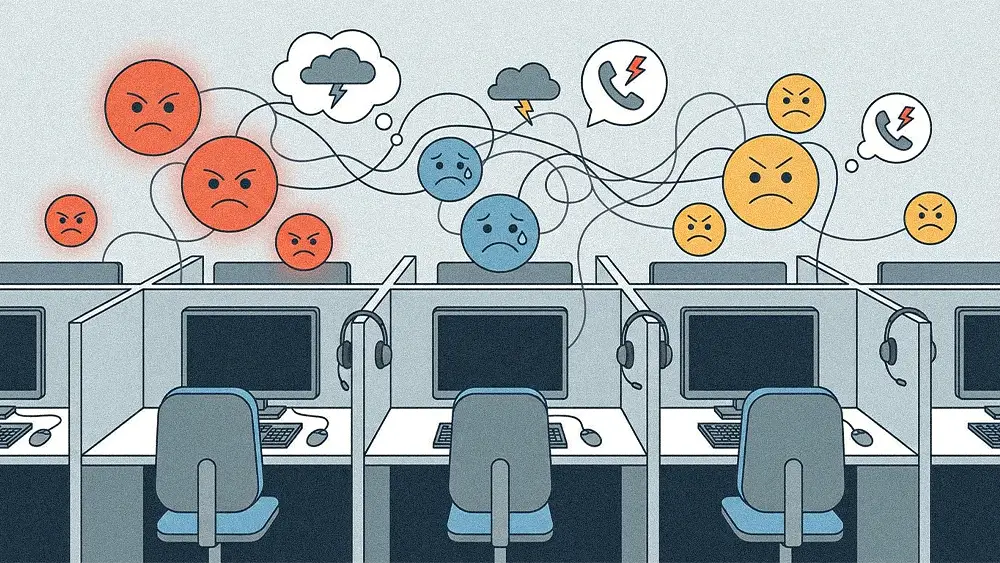

Healthcare Leaders Rethink AI Value Around Better Conversations, Not Faster Calls
Mitch Mann, VP of Member Services at VytlOne, says freeing staff from routine tasks with AI allows them to focus on more complex inquiries, problem-solving, and providing personalized support.
Make CX Current News one of your go-to sources on Google


Customer service is a people business; AI should empower our people, not replace them. The goal isn't just efficiency; it's giving our teams the tools to deliver stronger, more human connections with every member.

Mitch Mann
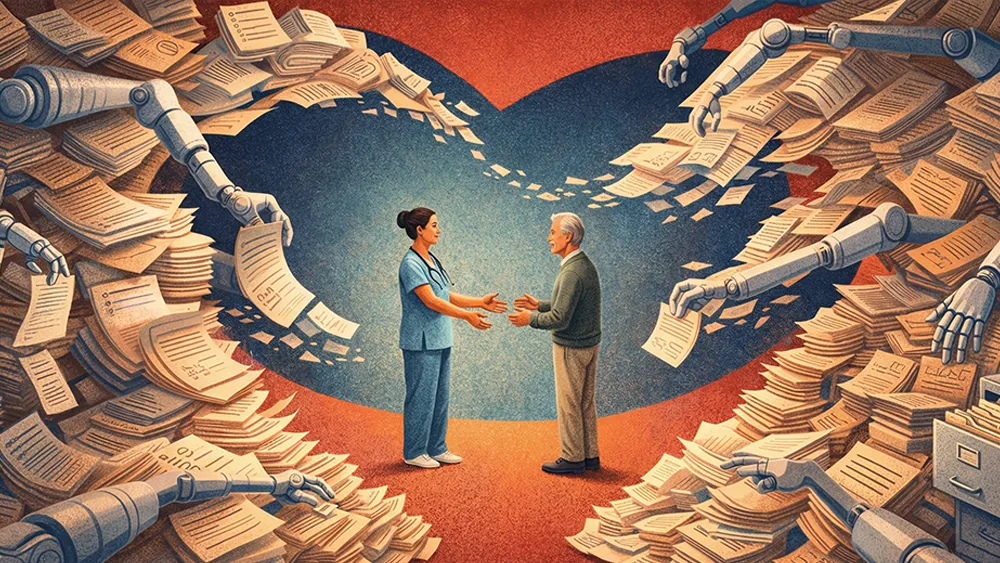
AI delivers its real value in healthcare when it works behind the scenes, removing administrative friction so frontline teams can focus on listening, solving problems, and delivering more personal care. In an environment where mistakes carry weight and every interaction counts, the measure of success shifts from efficiency gains to the quality of the human experience it enables.
Mitch Mann, VP of Member Services at VytlOne, a pharmacy benefit management company, leads a fully remote team across 23 states and brings extensive experience managing large-scale, multi-site operations in healthcare, financial services, and BPO. He is guiding the company through its first major AI integration, building the playbook for how automation and human-led care coexist at scale, while maintaining 97%+ customer satisfaction.
"Customer service is a people business; AI should empower our people, not replace them. The goal isn't just efficiency; it's giving our teams the tools to deliver stronger, more human connections with every member," Mann says. Technology can streamline processes, but its value is measured by the quality of results it enables.
Winning where it matters: "Saving money and driving efficiency with AI; that's table stakes. In healthcare, the focus has to be on the outcome, elevating people and member experiences. Sometimes that gets lost. You sell it to the executive suite as a way to save money. But, ultimately, it has to be about providing a greater connection with the human touch," Mann explains.
The ripple approach: Teams need clarity on who they’re building for and the priority that follows. That vision only takes hold when it starts with the people doing the work. "We serve three constituents every day, in this order: our people first, then members and clients, and finally the business by retaining or attracting new clients," he says. Putting employees first in practice means removing what slows them down. VytlOne uses AI behind the scenes for quality assurance and coaching, surfacing trends that reveal training and process gaps. "It's going to automate call summarization, driving more consistency and accuracy. This lets me focus on the member, listen actively, and solve problems more efficiently to achieve the best outcome." Prioritizing people internally sets the stage for serving members externally.
The right way forward: Ensuring a seamless experience requires thoughtful execution. "I don't like using the word 'deflection', it denotes that the interaction isn't important. It's about serving the member on their terms, in the manner they choose, and giving them the easiest options." Preserving that continuity across channels requires investment. "This technology is not cheap. You have to justify it with strong ROI." Value appears when the system supports both the team and those they serve.
A well-designed system is only impactful when people can navigate through it effortlessly. "Easy options only work if they don't become traps. We've all experienced getting stuck in IVR hell where you can't reach a human," he notes. Ensuring members can reach advocates effectively becomes even more important as AI takes on routine requests. With standard inquiries handled automatically, human agents face a higher share of intricate cases, making smooth access and reliable support essential for optimal performance.
Strengthening the core: "A higher percentage of the inquiries they handle are going to be more complex, which means we have to give them the right tools and systems," says Mann. But infrastructure alone isn’t enough; the people operating it need new skills. "We'll have to reimagine our hiring practices. Emotional intelligence becomes critical in order to problem-solve and empathize as decision-making increases with more complex calls." Redesigning the workforce only goes so far if the systems underneath are still fragmented.
Untangling complexity: "Our folks have a lot of systems and tools to navigate, so handling time is higher than it should be. But, it's really not about handling time, it's about respecting and valuing the member's time. How can we drive more efficiency while giving our people better tools and systems?" he asks. To address this, his team is deploying a unified user interface console. Wiring legacy platforms together, however, is rarely simple. "A lot of these companies will say they can do it easily, but they can't, especially when some systems are homegrown." Resources deliver impact when employees can operate them easily and prioritize key objectives.
With the right tools, systems, and skills, frontline staff can remove friction, preserve continuity, and focus on human connection. When people are supported and members are served on their terms, AI becomes true infrastructure for care. "If we just focus on saving money, we don’t look at the entire employee lifecycle. You have to involve your people in testing tools and get their opinion; it has to drive the value in your business vision," Mann concludes.