
If we leverage technology correctly and we put care at the very front of that experience for everybody who encounters us, then we can make sure that there's more time for human guidance.
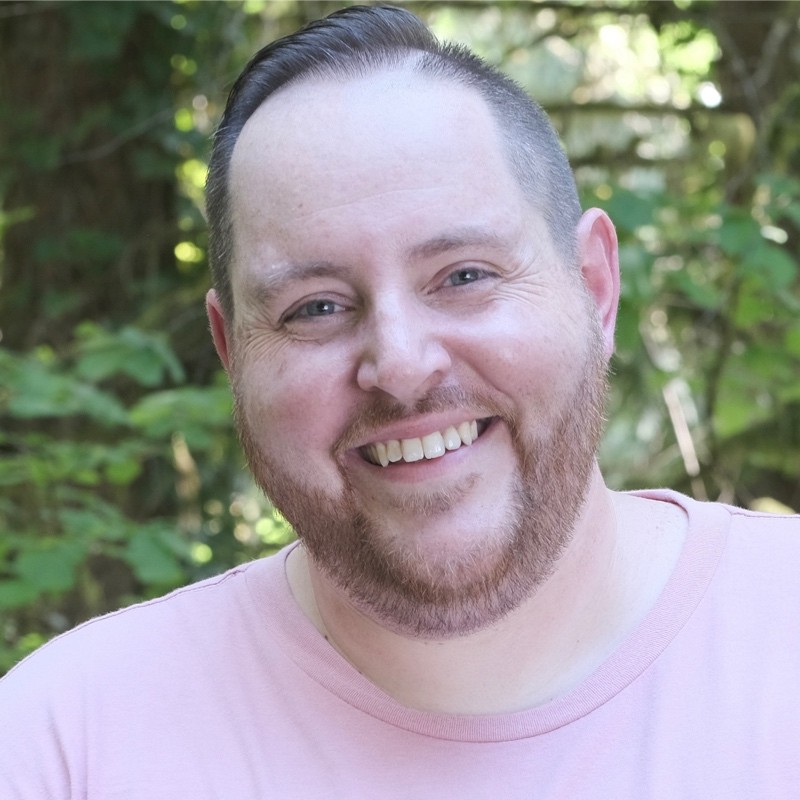 Will SwaneyVP, Product, Foundation Partners Group
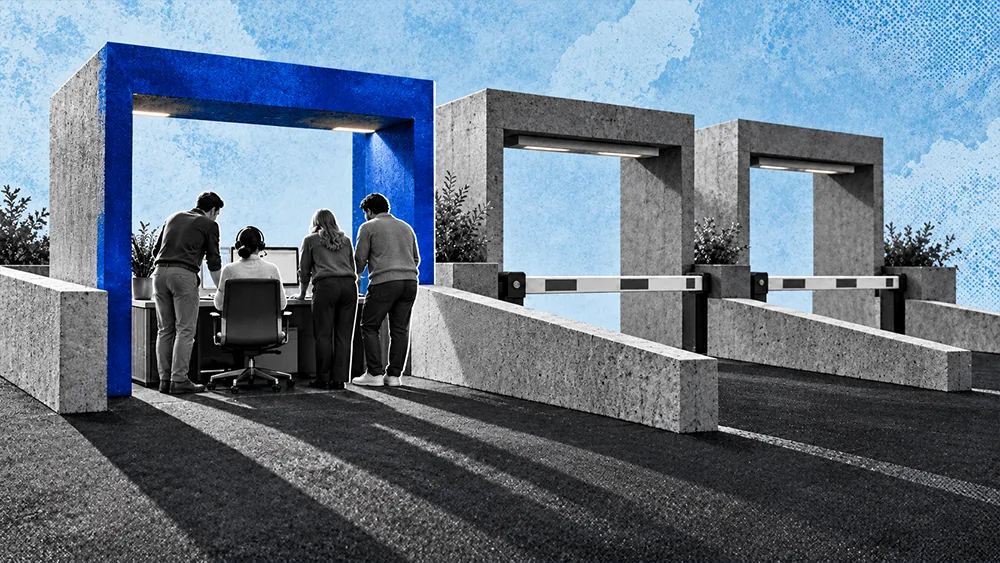
Customers who arrive overwhelmed need technology that takes the noise and paperwork off their plate, so the staff they eventually reach have more time to guide them. That same technology starts to erode trust when it pushes staff work onto the customer or delivers bad news only after the moment of friction has passed. At that point, self-service reads as abandonment, because the customer is left with a task and no way to reach a person. For CX leaders, the test for each automated step is how much time it gives back to someone who can help.
Will Swaney is Vice President of Product at Foundation Partners Group, which owns and operates more than 225 funeral homes, cremation centers and cemeteries across 21 states. He leads product strategy and a team actively designing, building and delivering digital experiences that simplify funeral planning, support funeral professionals and create more opportunities for meaningful human care.
His career spans creating entertainment experiences at Cirque du Soleil and leading customer care and technology initiatives at point-of-sale software company ShopKeep, where he rose to Global Senior Director. That experience connects in-person service and service operations with product development and the technology roadmap behind them.
Swaney says his team is designing, building, deploying and improving these experiences today, with work spanning digital arrangements, guided selling, educational experiences, AI-enabled workflows and operational technology that helps funeral professionals spend more time caring for families. "If we leverage technology correctly and we put care at the very front of that experience for everybody who encounters us, then we can make sure that there's more time for human guidance," says Swaney. Getting that time back starts with the staff, who have the most to gain from the technology and the most concern about it.
Technology should give staff more time with families
Relationships between teams are more strained than ever in some parts of the business, Swaney says, because colleagues are realizing that technology used well can shorten steps in a process. That touches insecurities in people who lead with service or have always worked in an analog way, and many fear it removes the human element that funeral directors and arrangers are known for. His response is to show them what they get back, with those championing the technology acting as evangelists. "Let me just show you three to five ways this can give you more time for the things that you were built to do," he says.
Families in death care trust the funeral home near them, often one their own family has used for decades or generations, so Swaney wants technology to prop up the local brand. A family sees on the website who they'll talk to, hears from that same person on the phone and meets them on arrival.
The time technology returns matters most to people who came to serve. "They didn't get in because it's glamorous or to be a millionaire," Swaney says. Technology clears the busywork around staff and leaves them the harder, more emotional conversations. "My job is how do I move every barrier out of the way?" he asks.
Self-service becomes abandonment when nobody stands behind it
Swaney met a row of switched-off kiosks at an airline's service area, with no employee to ask. "I was not served and I was the customer in that moment, because there was no way for me to escalate to a human either," he says.
The same pattern shows up in contact centers, where customers try to get past automation to reach a person. Pushing tasks onto customers to save staff time makes a company look like it's checking boxes to protect margins, in Swaney's telling. People accept technology that spares them a wait and explains each step, and the reaction turns cold when it replaces moments that should be warm and human. "If you're looking for ways to build more of those warm moments, you're doing it correctly," he says.
Families need questions they can picture
Families arranging a service rarely arrive knowing what they want, so Swaney and his team build guided digital experiences around plain questions. "You pair education with optionality," he says. That starts with dropping industry language. "Don't use jargon, don't use nomenclature that's only to the industry that you're in," he adds. Instead, those experiences ask who they imagine at the gathering, such as a handful of immediate family, anyone who knew the person or a small group of chosen family and friends, so each option is easy to picture. Families can easily say what they don't want, which narrows the options to what they do.
Transcription and summarizing can take a 20-minute conversation about a father who loved the Broncos and belonged to his church for 50 years and return the details that matter, so the arranger can build a service around them. "I was able to leverage technology to take all the noise and focus it in on what actually mattered," Swaney says.
Preneed planning starts by making the first step easy
Planning ahead comes with a different mindset than arranging a service after a death. People who plan in advance rarely decide on the spot, so the work is education and nurturing. "I like to position it as you're leaving a gift for your family," Swaney says. With the decisions made, the family can focus on celebrating the person they've lost.
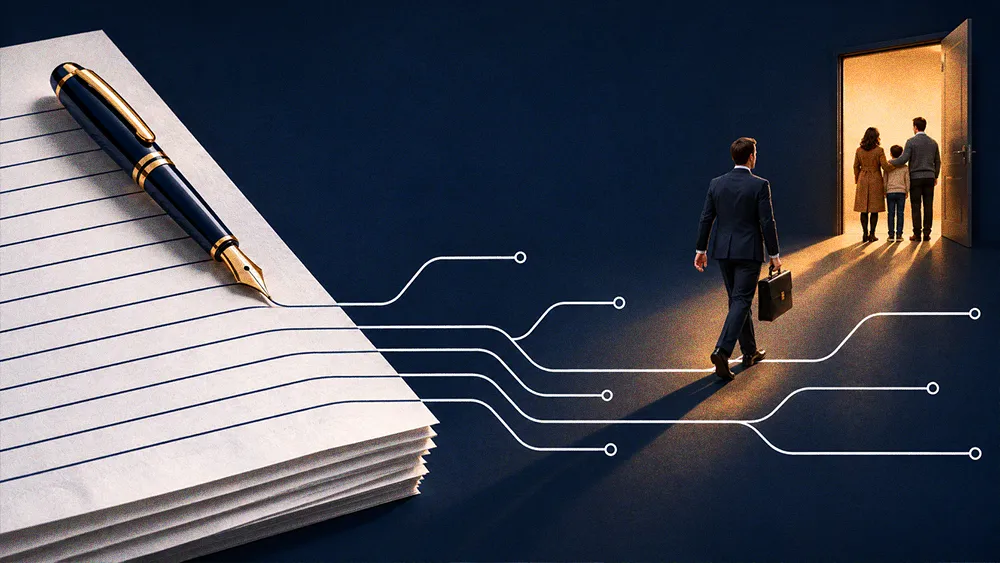
The paperwork stops many people before they start, since it sounds like legal work and a large bill. Swaney and his team are building experiences that work backward from that complexity, starting with an end-of-life checklist that answers people's first questions. A person stays available for follow-ups, which keeps humans in the lead on the emotionally charged moments. Once those questions are answered, technology handles the policy, payment and signatures. "How do we make starting as easy as possible?" he asks.
Bad news delivered early counts as education
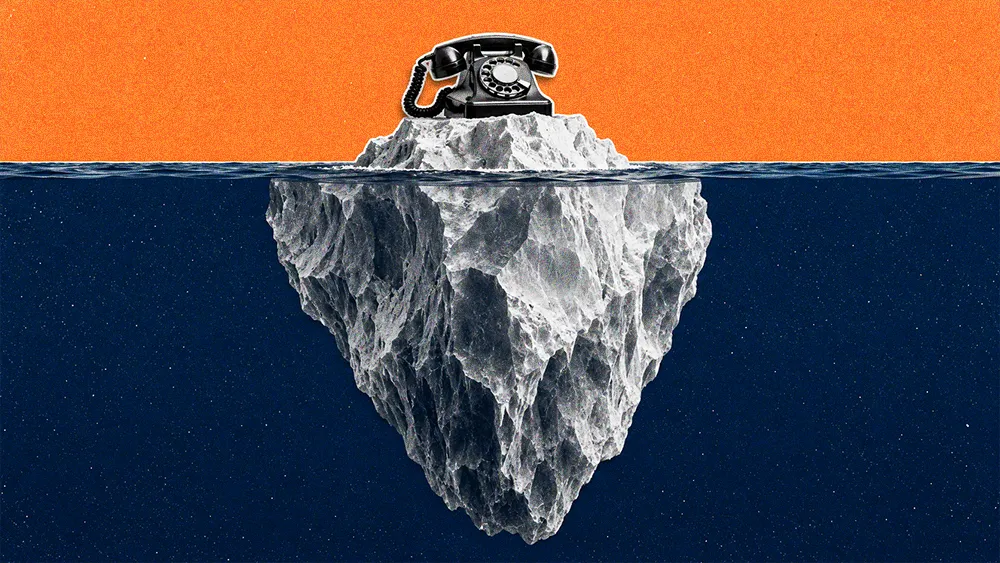
Swaney's listening starts with the phone, and he splits it between technology and the staff at each location. "Some of that's technology, some of that's the actual location, because they have context listening that you'll never have by just running a bot," he says. At scale, analyzing every conversation to find recurring friction shows when a complaint runs across the organization and when it belongs to one location.
Reviews add the family's view. "Google Reviews are the number one place for you to learn where you could have done better," Swaney says. He traces a poor review, read through the family's eyes, to expectations that weren't set, communication that lapsed, education that fell short or service that wasn't delivered. Most of those come down to what families were told and when, so Swaney treats unwelcome news as education when it arrives on time.
"If we give it to them before the moment of friction, we're educating them. If we give it to them afterwards, then we're in an excuse, in a defensive mode, and then we harm the customer relationship," Swaney says.