
How Embedded and Verticalized CX Tech Keeps Human Touch in an AI World
Alexandra Bannon of TeamViewer shares how thoughtful listening and human judgment in customer success turn tense interactions into trust-building opportunities while leveraging AI to work smarter.

Make CX Current News one of your go-to sources on Google


Slowing down, really listening, and repeating back what the customer is telling you makes them feel seen. That simple step alone can de-escalate a high-stakes situation.

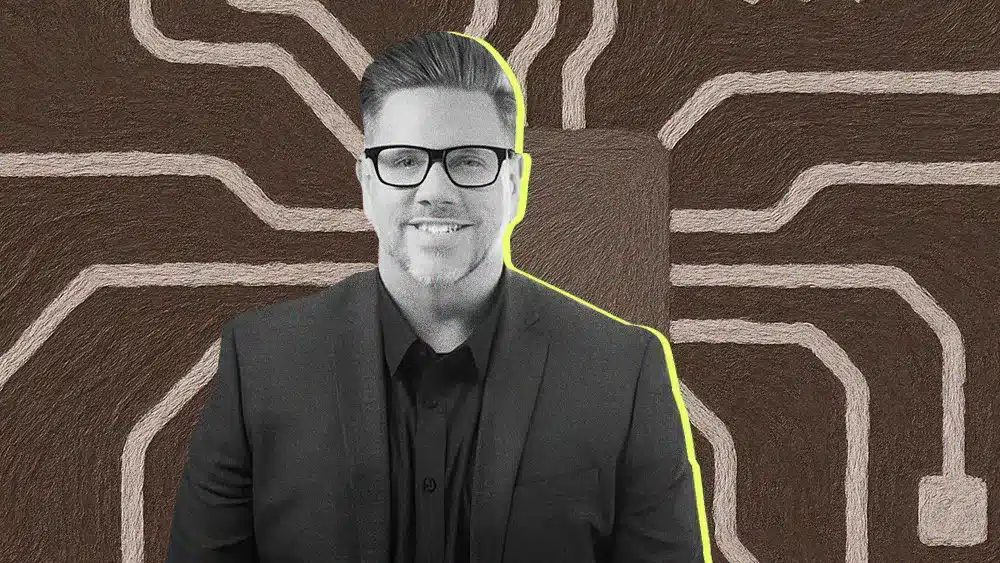
Alexandra Bannon
AI can handle routine tasks like summarizing calls, surfacing risk signals, and automating touchpoints, but it falls short when emotions run high, such as during product escalations, at-risk renewals, or churn conversations. For modern customer success teams, the most important skill is knowing where automation ends and human judgment begins.
Few practitioners operate closer to that intersection than Alexandra Bannon, a Customer Success Manager at TeamViewer, a provider of remote connectivity and digital workplace technology. Her work illustrates how the role is evolving. Technology handles more of the operational load, while success increasingly depends on guiding relationships, priorities, and outcomes with thoughtfulness and empathy.
Bannon distills the essence of her approach succinctly. "Slowing down, really listening, and repeating back what the customer is telling you makes them feel seen. That simple step alone can de-escalate a high-stakes situation."
Scaling a high-touch approach across a large portfolio doesn’t mean working harder. Bannon leverages technology to stay on top of client interactions while maintaining a personal connection, using data-driven insights to make her human empathy more effective. This approach exemplifies a broader trend in customer success: blending human judgment with AI-driven insights to deliver both efficiency and impact. By combining strategic insight with empathy, Bannon ensures her outreach is timely, relevant, and aligned with each customer’s business cycle, avoiding the pitfalls of purely automated interactions that can miss important context.
Scaling the personal: Bannon manages a large portfolio by keeping continuity in customer conversations, using tools to track past interactions, and noting, "when they bring up an issue, I can relate it to the last thing that we talked about," which helps build trust and maintain strong long-term relationships.
Align with the customer’s rhythm: She combines this historical context with personal knowledge to anticipate customer needs, reaching out proactively around past patterns and business cycles. "I proactively reach out before busy periods begin to ensure their team is set up for success and hear what’s top of mind for them," she explains, whether it’s accounting firms during tax season or schools in August preparing for a new year.
As AI becomes more integrated into the CS workflow, with billions being invested in AI startups and tools embedded directly into CRM platforms, the skill leaders will need most is judgment. Bannon calls this discernment, the ability to know when automation adds value and when a human touch is essential. This skill is built on emotional intelligence and a deep understanding of the customer’s state, which can be informed but not replaced by AI-driven insights.
The art of discernment: Bannon emphasizes, "Discernment is knowing where automation fits and where it doesn't. A quick, automated check-in after a support ticket closes? That’s a perfect use case for AI. But you have to know when and where to draw the line in your process." She uses this judgment to ensure AI enhances efficiency without replacing the human connection that is critical in high-stakes or sensitive interactions.
Rooted in humanity: "Discernment isn't a separate skill; it's rooted in soft skills. It requires an understanding of where the customer is emotionally. You know the stakes are high if they're facing issues, but if it's a time of year when they're less busy, you can probably get away with a quick, automated touchpoint," Bannon explains. This approach highlights that effective customer success relies on both emotional intelligence and strategic use of technology, allowing leaders to scale personal attention without losing empathy.
Even as AI helps identify which customers need attention and when to reach out, Bannon says that the value of those interactions comes from thoughtful prioritization and human judgment. AI can highlight accounts showing risk signals, engagement opportunities, or upcoming critical business cycles, but it cannot replace the context and nuance that comes from understanding the customer’s history, goals, and emotional state.
Building depth: While digital tools help scale engagement, Bannon highlights that some interactions still require a personal touch. "On-site visits are still crucial for building a true human connection with your customer base," she says, underscoring that high-touch strategies are essential for maintaining trust and intimacy even across a large portfolio.
Building breadth: Bannon emphasizes the importance of connecting with multiple stakeholders across a customer’s organization to understand different sides of the business. "It's about having different stakeholders and building rapport with all of them," she explains, ensuring that her relationships go beyond a single contact and strengthen the account as a whole.
In the end, Bannon rejects the doom-and-gloom narrative around AI, seeing it as a tool to amplify human work rather than replace it. By handling routine tasks and providing actionable insights, AI can free customer success professionals to focus on high-impact, strategic work that strengthens relationships and drives value. She concludes, "It's going to make us faster, smarter, and allow us to focus on what matters most to the customer. I don't think we're getting replaced anytime soon. You have to either embrace it or you get left behind."