
Why Automation in Enterprise Support Breaks Down When Intake Remains Unstructured
Robert Vermeersch, Manager of Help Desk Support at GoodLife Fitness, shows how fixing intake and routing turns automation from noise into real support at scale.
Make CX Current News one of your go-to sources on Google


If the intake isn’t right, everything downstream gets harder. You’re just moving noise around faster. When the work comes in clean, the rest of the process finally clicks.

Robert Vermeersch
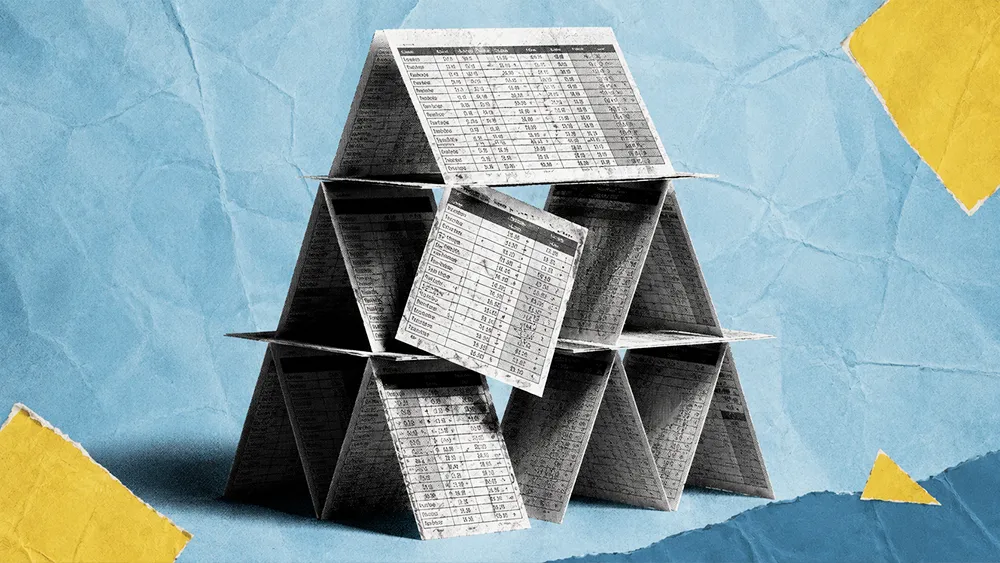
In the push to modernize enterprise support, automation and AI often take the spotlight. What gets ignored is the mess at the front door. When requests arrive through vague emails and half-filled submissions, critical details stay buried and highly skilled technicians spend their days sorting tickets instead of solving problems. Real modernization isn’t about adding smarter tools on top of disorder. It starts with imposing structure at intake so work enters the system clearly, predictably, and ready to move.
Robert Vermeersch is the Manager of Help Desk Support at GoodLife Fitness, giving him a clear view into how support works when it scales and when it breaks. At GoodLife, that perspective sparked a broader rethink of everyday support operations. Instead of chasing automation for its own sake, the focus shifted to fixing how requests enter the system, redesigning intake, routing, and prioritization so technicians receive issues that are clear, complete, and actionable from the start.
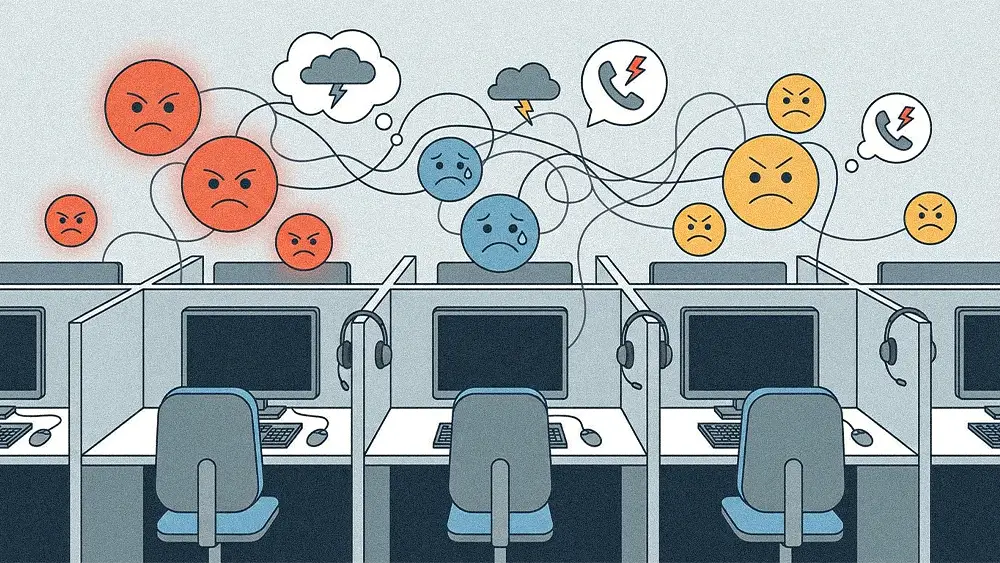
"We were doing a lot of air traffic control. Less of our day was spent actually troubleshooting and fixing issues, and more of it was spent triaging, reassigning, and moving tickets," says Vermeersch. The Help Desk had become the default destination for anything that didn’t have a clear owner, regardless of whether it belonged there. Tickets bounced back and forth as technicians chased missing information buried inside long email threads. The more complex the issue, the more fragmented the conversation became.
Fast pass: The shift began with a unified support portal designed to enforce structure at the point of entry. Instead of free-form emails, Associates submit requests through a catalog of forms that capture the right details upfront and trigger automation behind the scenes. "It won’t even land in our queue," Vermeersch explains. "It just bypasses it and goes to the right team with the right info and they can work on it from there."
That single change strips away entire layers of manual handling. Work that doesn’t belong to IT stops landing on the Help Desk in the first place, with accounting requests going straight to accounting and operational issues bypassing unnecessary queues altogether. When true technical problems do arrive, technicians finally have complete, consistent information in front of them before they ever pick up the work.
Automatic win: "If it’s a payment terminal issue, the system immediately assigns it an urgent priority, which means we’ve pretty much eliminated the need to manually prioritize," says Vermeersch. "That’s a win on both ends. Our team spends more time working tickets, and Associates see their issue rise to the top of the queue right away. Because everything comes in consistently through the right forms, the system also assigns the properties automatically. We’re no longer hunting for keywords or relying on agents to tag tickets, which gives us clean, reliable reporting."
With the intake redesign in place, Vermeersch says that much of the operational friction has fallen away. Requests reach the right teams with the right context, prioritization happens automatically, and technicians can stay focused on real work instead of traffic control. What follows isn’t a new core strategy, but a set of supporting principles that shape how the system is rolled out, adopted, and extended, small decisions that help the model stick without getting in the way of people asking for help.
Learning curve: Adoption of the new support portal isn’t enforced by hard stops or automatic rejections. Instead, the team treats each interaction as a chance to teach the new process without slowing resolution. "We don't want to be robotic and just redirect them. If someone gives us enough information in an email, we handle the ticket, then show them where to submit it next time."
No dead ends: The portal is designed to support self-service without turning it into a dead end. "We want Associates to have their cake and eat it too. A lot of our forms link to our help articles, and vice versa. If self-service doesn’t solve the problem, submitting a ticket is always right there."
Measuring mood: For him, metrics matter only if they reflect real experience. "We still have SLAs and we meet them, but Associate satisfaction matters more. We track response and resolution times, but the real question is whether people are happy with the support they receive. If all you've done is introduce something virtual that upsets the customer, the support process hasn't even started."
Trust or bust: Vermeersch is careful not to trade speed for trust. "The last thing we want to do is roll something out that misses, because that immediately burns trust with our users. It’s hard to win that back by promising the next version will be better. We know it won’t be perfect, and if we waited for perfect we’d never release anything. But we do need to feel confident that what we’re releasing is a genuine improvement on what we have today."
What Vermeersch’s experience shows is how fragile support becomes when work enters the system without structure. Half-formed requests pull skilled teams into sorting and rerouting instead of solving real problems, and automation only speeds up the chaos. Once requests arrive cleanly and reach the right place, automation starts to help and the system begins to hold. "If the intake isn’t right, everything downstream gets harder. You’re just moving noise around faster," Vermeersch concludes. "When the work comes in clean, the rest of the process finally clicks."