
Customer experience is no longer just a department answering tickets. It’s a strategic growth engine that can directly drive revenue and influence product design.
 Sarmad FrazCustomer Experience and Communication Strategist @ The Credit Pros
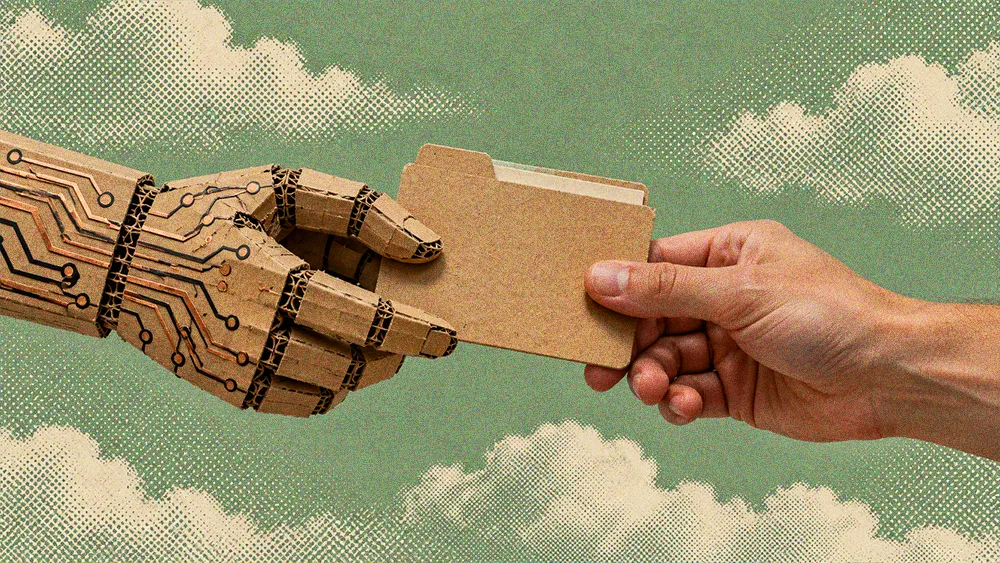
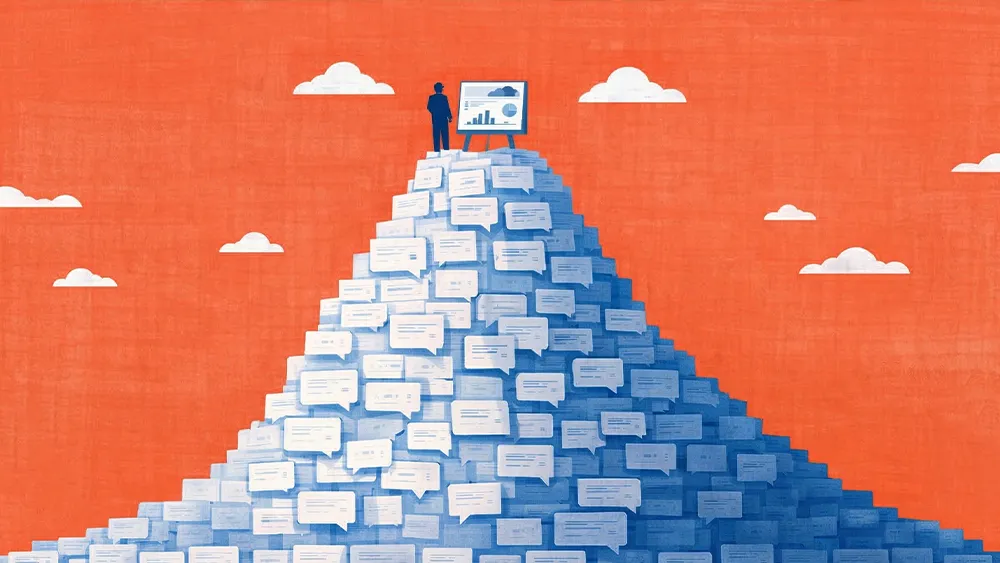
Customer experience is no longer about reactively closing service tickets. The function has evolved into a proactive channel for gathering business intelligence, leveraging customer conversations to influence major business decisions and challenging the long-held perception of CX as a cost center. Instead of merely resolving issues, leading companies now analyze their root causes, turning support data into an enterprise intelligence hub and customer experience into an effective growth strategy.
At the forefront of the change is Sarmad Fraz, a Customer Experience and Communication Strategist with The Credit Pros who has spent nearly a decade helping organizations leverage CX to drive revenue and retention. Fraz has a proven track record of team leadership and award-winning conversion rates in high-pressure environments at companies like TurboDebt. He considers the transformation of CX a crucial shift in strategy for companies looking to build a sustainable competitive advantage.
"Customer experience is no longer just a department answering tickets. It’s a strategic growth engine that can directly drive revenue and influence product design," he says. Fraz believes a key part of this transformation is a pivot away from simply chasing performance metrics. By analyzing patterns in support data, companies can identify systemic flaws in their products and processes, which directly reduces churn and boosts growth.
Fix the system: Fraz has seen the results of this modern approach firsthand with CX-led retention efforts that directly fuel year-over-year revenue growth. "KPIs have become secondary. Now, companies are analyzing root-cause resolution to earn more revenue. If customers are asking the same question 50 times in a week, that isn't a support problem. It's a strategic problem. Something in the business needs to change."
Shared playbook: The result is a new level of outcome ownership where once-siloed functions are increasingly integrated. "A few years ago, sales and customer service were different departments. They had no idea how to work together. Now, they share ideas across the board." Fraz says this kind of collaboration helps companies achieve meaningful year-over-year growth while serving as a tool for revenue protection.
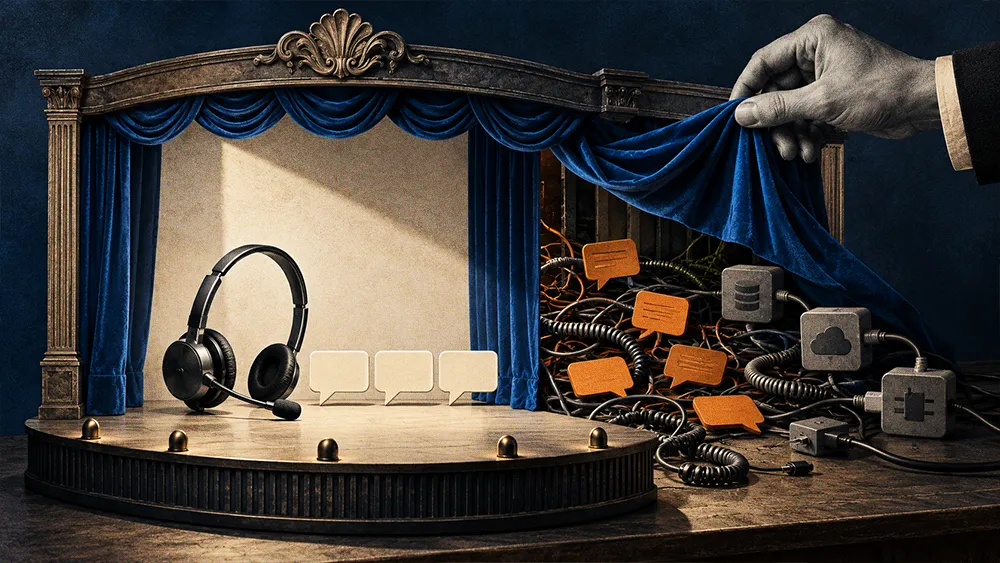
Frontline empowerment: Fraz highlights the billing process as a prime example of CX empowerment. Some companies, he explains, are equipping CX departments with the tools to handle financial issues directly instead of having to hand them off or request information from a separate department. "Previously, the billing team was working behind the scenes and had no connection with customer directly. But these days, by incorporating different tools, you actually don't need a separate department because CX has everything they need."
As for what's driving the change, Fraz believes social media is partially to thank. The rise of professional networking on platforms like LinkedIn has created a new level of transparency, making many leaders more receptive to new ideas. "People are more open to exchanging views, and that has really impacted customer experience," he says. He recalls a time when CX was so poorly understood that he had to explain the function of his job to almost everyone. "People had less than zero idea what it was." Now, its value is so self-evident there's no longer a need for explanation.
Keeping it human: This transformation isn't happening everywhere at once. While large enterprises are already on board, Fraz sees smaller and medium-sized businesses still playing catch-up, often due to limited resources. For executives and CX leaders looking to accelerate the transition, his suggestion is to look inward before chasing new initiatives or implementing agentic AI. "Before a CX team can grow further, the first thing they should check is that they don't lose the human element," Fraz advises. "In some situations, we are too focused on growth and that human element gets lost in the process of just serving customers."
Loyalty before launch: He stresses that companies often overlook one of the most valuable sources of product insight: their existing customers. Because CX teams interact with users daily, they have direct visibility into recurring questions, frustrations, and feature gaps that may not surface in executive discussions. "Before you launch a new project, get reviews from your current customers and improve the existing product," he urges. "If you're not improving your loyal customers' experiences before launching something new, revenue is not going to increase. But if you have loyal, existing customers and then you push something new to them, that creates a clear advantage for the business."
It's a retention-first mindset that is emerging as a foundational strategy for future success and one of the top customer experience trends shaping the industry. To put the mindset into practice, Fraz offers a three-part framework. "Growing companies should focus on reading current feedback, understanding customer problems, and most importantly, identifying why a customer may leave." He says these signals often reveal the most important, impactful opportunities for improvement. "These are the three factors that, if a company works on them and then moves towards strategic development for something new, will change their revenue in the future."