
Predictive Analytics Advance Revenue Protection, Risk Mitigation in Customer Success
Pratyay Bhattacharjee, a Customer Success Manager at eka.care, shares how predictive data and human insight help his team thoughtfully intervene with customers to prevent churn.
Make CX Current News one of your go-to sources on Google


Customer success managers are very much responsible for driving revenue. They should be able to analyze where the risk is coming from and mitigate it so the revenue can expand and the long-term partnership can be ensured.

Pratyay Bhattacharjee
Customer success is entering its risk intelligence era. With churn pressure rising in 2026, the strongest teams are using AI to surface early warning signs, uncover expansion paths, and give CSMs a clearer view of account health long before renewal season. The role is evolving from reactive relationship manager to proactive revenue strategist, with data as the starting point and human instinct as the edge.
To understand what this shift looks like in practice, we spoke with Pratyay Bhattacharjee, Customer Success Manager at eka.care. With a background in Electronics and Communication and early experience in reactive fintech support at Clear, he has lived the transition firsthand, moving from solving tickets to safeguarding revenue in health tech. His career mirrors the broader evolution of customer success itself, and he’s clear on one point: if companies expect CSMs to protect and grow revenue, they have to equip them with the tools and visibility to do it well.
"Customer success managers are very much responsible for driving revenue. They should be able to analyze where the risk is coming from and mitigate it so the revenue can expand and the long-term partnership can be ensured," says Bhattacharjee, underscoring how this mandate elevates customer success into a core commercial driver rather than a supporting function.
The color-coded playbook: Bhattacharjee’s team employs a "traffic light" playbook to drive specific outcomes. For "green light" bucket clients who are satisfied with the product, his team drives growth by upselling complementary tools, such as offering an AI-powered transcription service to a satisfied doctor using their core electronic medical record software. For "yellow light" moderate users, they analyze challenges to increase adoption and provide targeted education to ensure the client is getting full value from the tool. For the "red light" customers, they use immediate and proactive communication to mitigate the risk of churn.
Predicting retention: Technical tools give managers visibility beyond a renewal date and into the true health of a relationship. A contract may look secure on paper, but usage patterns, escalation history, and recurring friction points often signal deeper risk. With the right data, what once seemed like an inevitable churn can become a recoverable account. "By analyzing the pattern, the issues escalated, or the problems highlighted earlier, we can predict that this particular client is not going to renew," Bhattacharjee says. "This is the time when the customer success manager should intervene to retain the client." Predictive insight opens a meaningful window for action, allowing CSMs to reset value and influence the outcome long before a final decision is made.
Putting the right tools and strategies in place is crucial to realize this ideal vision of future-forward healthcare customer experience. Bhattacharjee reminds us that though this proactive strategy runs on AI-powered tools designed to augment customer relations, it can never replace human intuition.
Reading the red flags: He highlights this emphasis on customer success shifts the nature of the role from relational to strategic, noting that "customer support is predominantly a reactive medium, but the responsibility of a customer success manager is more proactive," he says. "If we can identify a risk that a client may not continue with us or may go to a competitor, those are the red flags where the customer success manager must intervene."
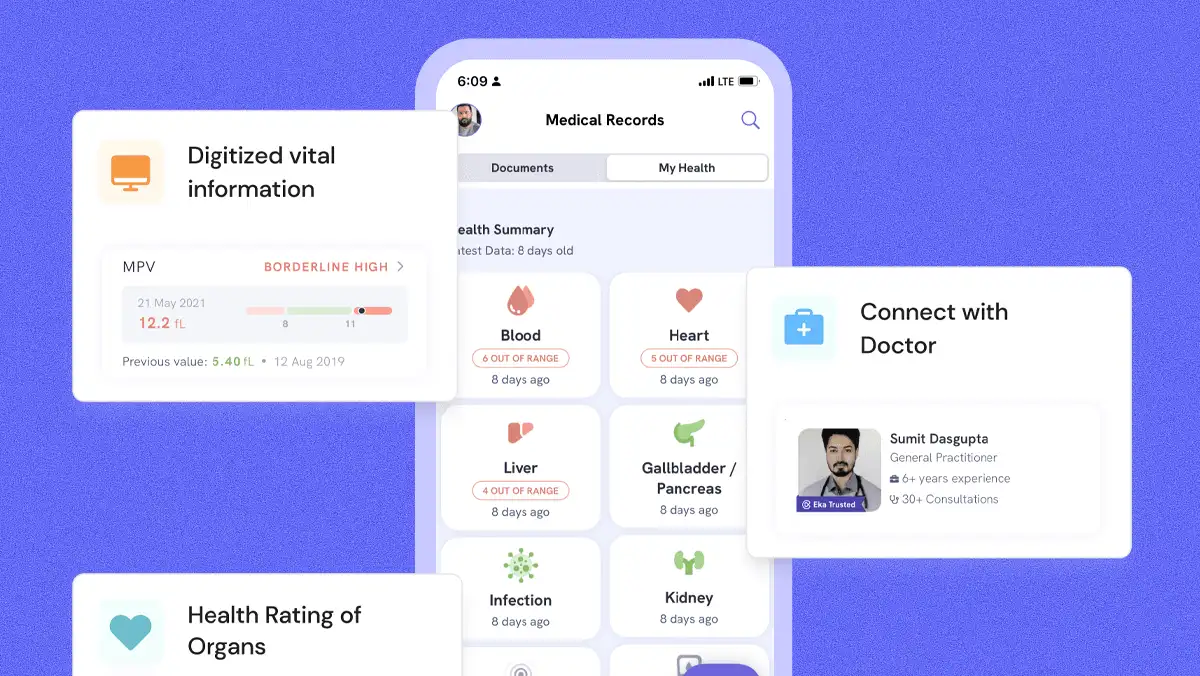
Data as starting point: Modern dashboards allow managers to go from a static chart to the full picture, providing a clear, objective view of client health. That data can inform a playbook for predictive analysis that will help teams identify at-risk customers long before they become churn statistics. "The goal isn't just to watch a dashboard. It's to understand if we are truly helping the client achieve their business objectives through our product and services."
AI interventions like this aren't going anywhere. In fact, Bhattacharjee wants customer success leaders to understand that "predictive analysis isn't just a technical advancement; it is a risk mitigation necessity for any organization looking to ensure client retention in 2026 and beyond." But the tools are secondary to the intent. He says an organization most importantly "must implement strategies that empower managers to perform comprehensive analysis of client health." The real advantage is found in a philosophy of investing in proactive, relationship-focused work, even if a gap between AI's promise and its performance persists. As automation accelerates, the human element will be a company's key competitive edge.