
Resilience in CS teams comes from psychological safety and smart process design, not grit alone.
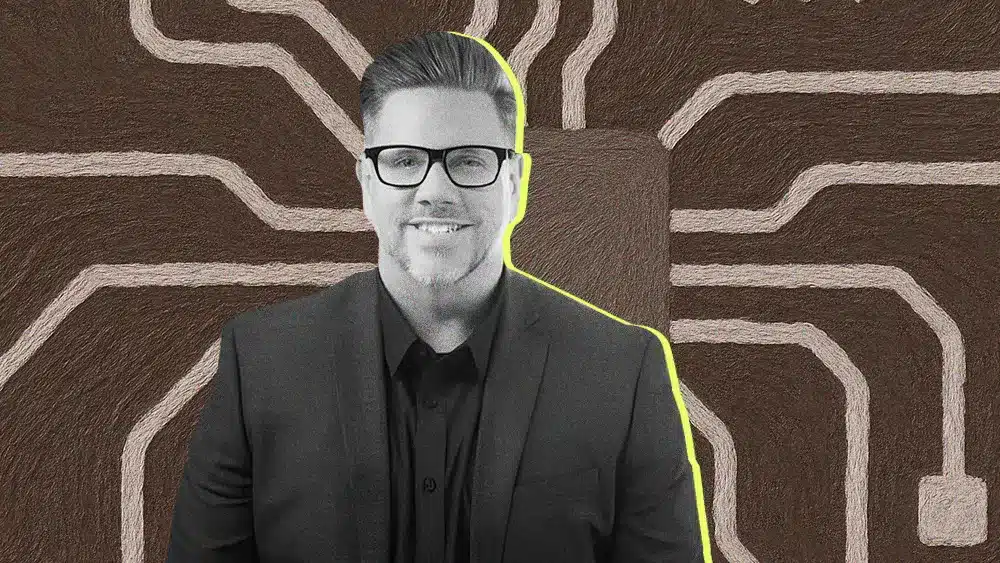
 Darren EllicottSenior Manager, Customer Success @ Deel
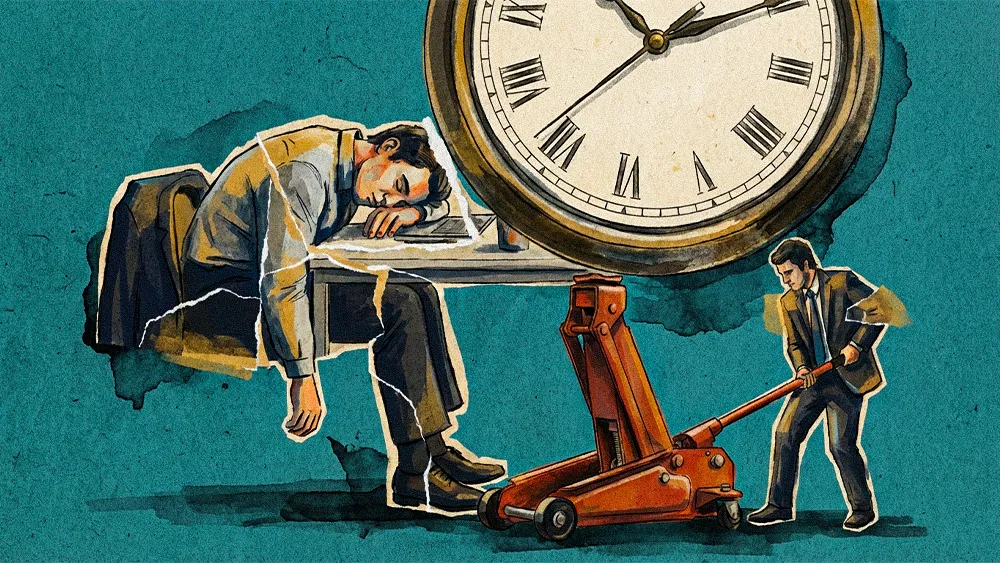
Burnout costs U.S. companies billions a year in lost productivity. Most leaders treat it as a psychological challenge when, more often than not, it’s a systems issue. For CSMs who are struggling, the solution comes not from a pep talk but from fixing broken workplace infrastructure. Lasting performance in Customer Success starts with an operational structure that prioritizes clear ownership, proactive risk protocols, and psychological safety.
That's the central argument of Darren Ellicott, Senior Manager of Customer Success at the comprehensive HR tech platform Deel. A senior leader with a decade of experience building and scaling global CS teams in the HRTech sector, he’s noticing major returns on investment from helping employees feel supported.
"Resilience in CS teams comes from psychological safety and smart process design, not grit alone," says Ellicott. If companies want more efficient and motivated workers, he explains, it's up to them to design better systems.
Building empathy into the process: A focus on "smart process design" can be a foundational step. Ellicott suggests companies treat burnout as a systemic issue and an operational challenge, noting the smarter systems already addressing this are built on three pillars: outlining clear ownership protocols to reduce stress, normalizing load-balancing to ensure workloads are transparent and manageable, and fostering a culture that celebrates proactive risk mitigation. "Resilience in Customer Success isn’t about pushing harder. It’s about designing smarter systems that support the team."
Caring builds confidence: Operational frameworks like these are only as effective as the culture supporting them. Ellicott's philosophy is to foster a culture of internal empathy, where team dynamics act as a powerful driver of external customer stability. That kind of culture is built on tangible leadership behaviors. "Check in during high-pressure periods, debrief tough calls, and create space for team members to say, 'I’m at capacity.'" He points to a manager stepping in to cover certain tasks, allowing a team member to focus on a key renewal, as an embodiment of this team-based approach.
Tools like AI are another helpful support for overwhelmed teams. But in an industry with an upward trend of replacing support jobs with AI, Ellicott thinks the more effective long-term strategy is blending human strengths with AI intelligence. He recommends a workflow where CSMs use AI to produce a first draft, and then managers edit using their own tone to preserve authenticity and trust while maintaining high-quality service. "AI should remove operational friction like drafting, structuring, and summarizing, but it shouldn't remove a CSM's personality."
Renew vs. advocate: He argues that when you invest in your CS team’s health and retention, customers will also notice. The goal of the team is to move from vendor to strategic partner by delivering proactive insights and creating moments that make customers feel seen. When CS teams also feel more valued and supported, they're able to build more authentic relationships with customers and overall stronger partnerships. "If retention is the baseline, the next level is emotional investment. Customers renew because the product works. They advocate because the partnership matters."
Ellicott's core belief in customer success management is that better systems make it easier for employees to perform well, and don't demand more from people than necessary. He predicts that "customer empathy without internal empathy" is precisely what leads to burnout, and it's about time companies start to own their place in building a better, more empathetic work culture.