
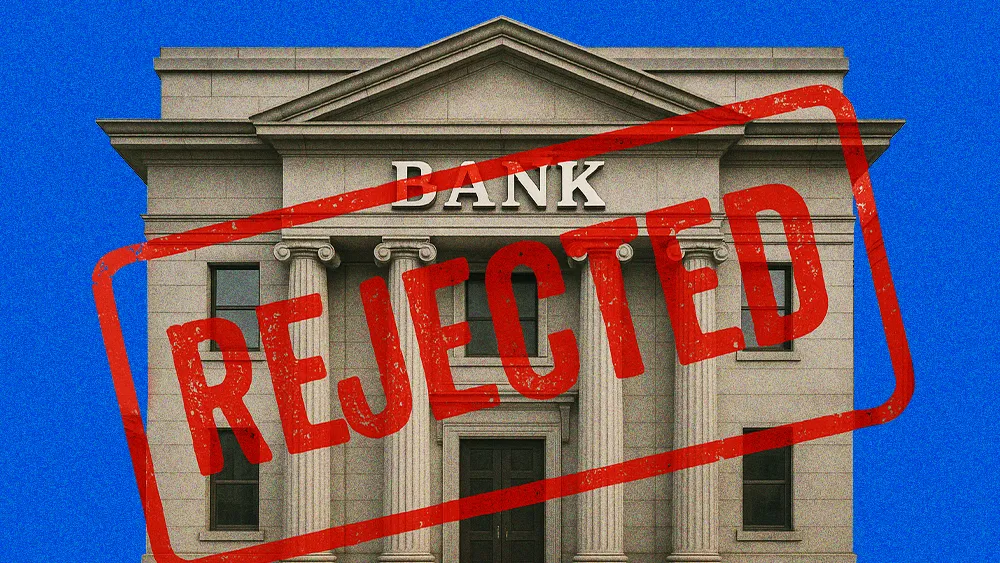
A new report from PYMNTS and Markaaz reveals a major customer experience failure: banks are rejecting loan applications from micro-businesses at five times the rate of large enterprises, not because they’re riskier, but because their internal data is a mess. The findings show that opaque, unverifiable records are breaking the customer journey for a key segment, forcing a sector-wide scramble for a fix.
A crisis of confidence: The problem isn’t a lack of faith in small businesses, but in the murky, unverifiable data they bring to the table. While nearly all financial institutions are confident underwriting a loan backed by third-party bureau data, that confidence plummets when the numbers come directly from the applicant. This results in the customer journey breaking down, with approval rates falling from nearly perfect for large companies to just 77% for the smallest firms.
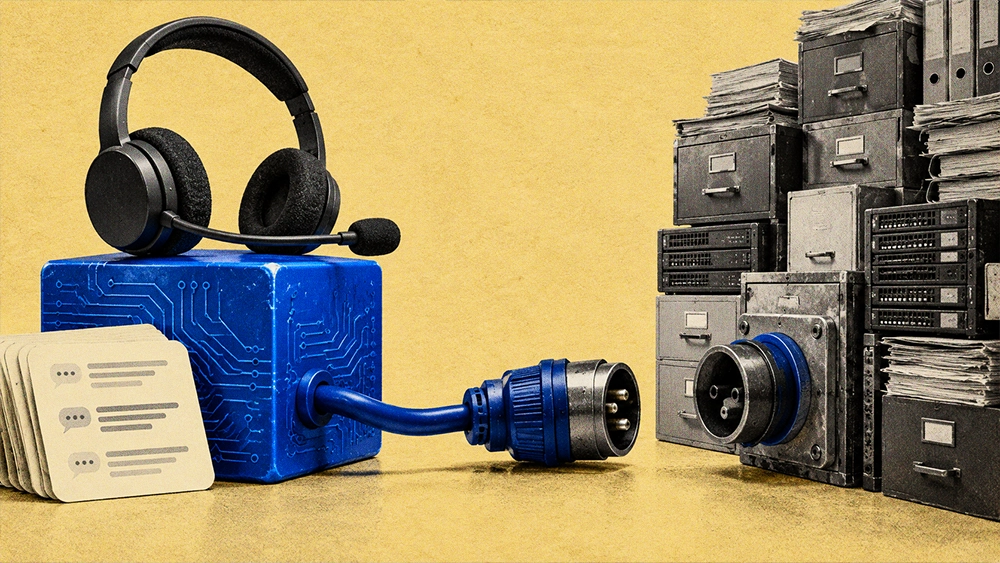
From lending to listening: The struggle with lending data mirrors the challenge companies face with unstructured customer service data. Firms are now turning to tools like Cresta's AI Analyst to mine conversations for the "real experience"—the same single-customer view banks are after. Meanwhile, Bank of America's success with its AI agent, Erica, which has handled over 2.4 billion client interactions, shows what's possible when investments are mapped directly back to customer needs.
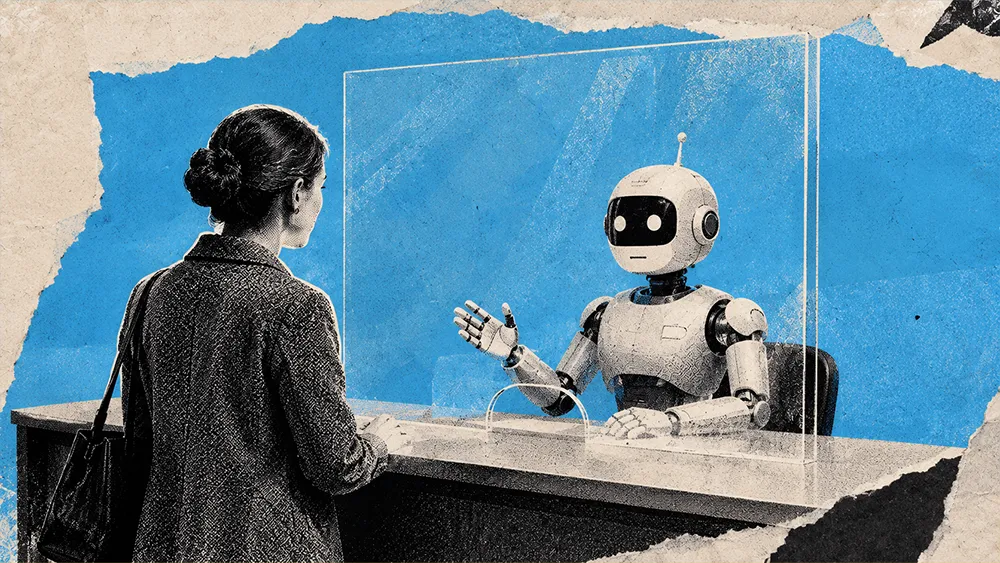
The new service standard: The report’s takeaway is that banks are no longer just in the business of underwriting loans—they're in the business of underwriting data itself. As small businesses continue to dominate the economy, the winners will be the lenders who can see a customer in real-time rather than just knowing them over time.
The stakes are high across the industry, with a Deloitte survey showing U.S. banks plan to spend over $5 billion on data initiatives, partly to enable better AI-driven hyper-personalization. This is all happening as major institutions like Citi are grappling with a multi-billion dollar overhaul to fix data systems flagged by regulators, a cautionary tale of how back-end data chaos can threaten customer trust.